×
×
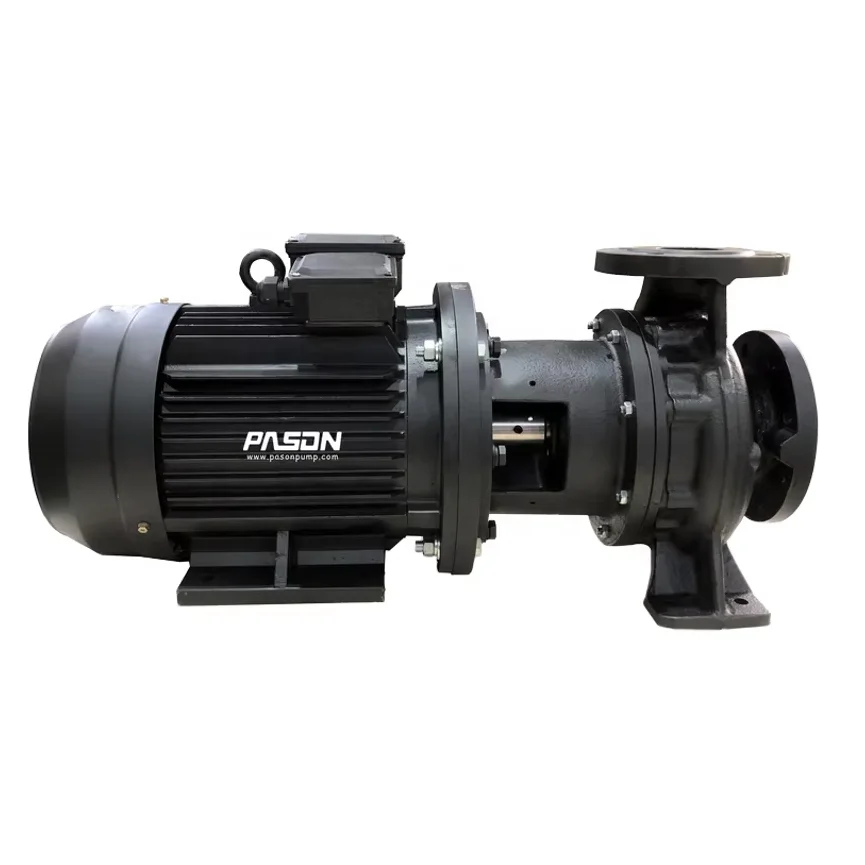
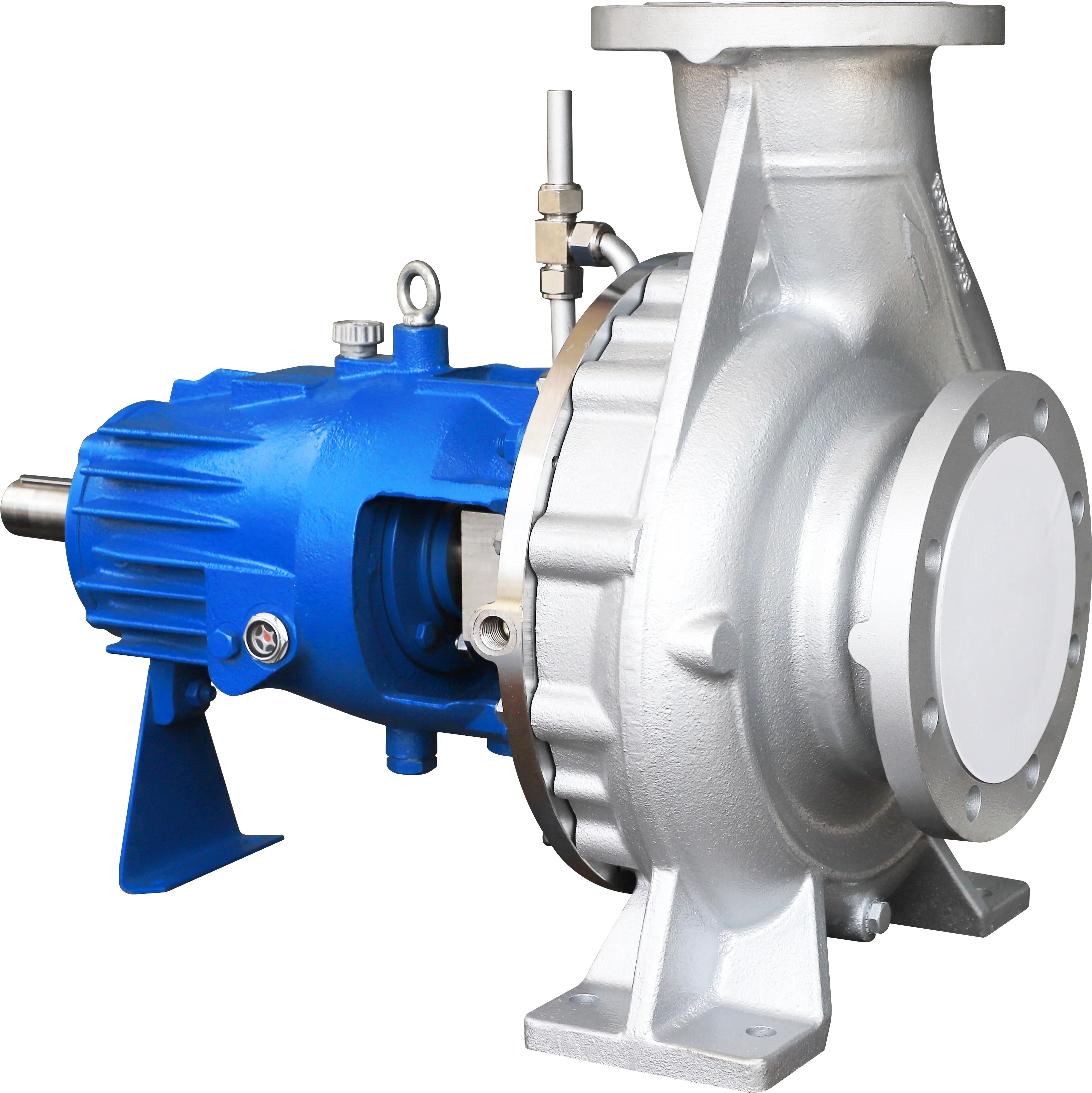
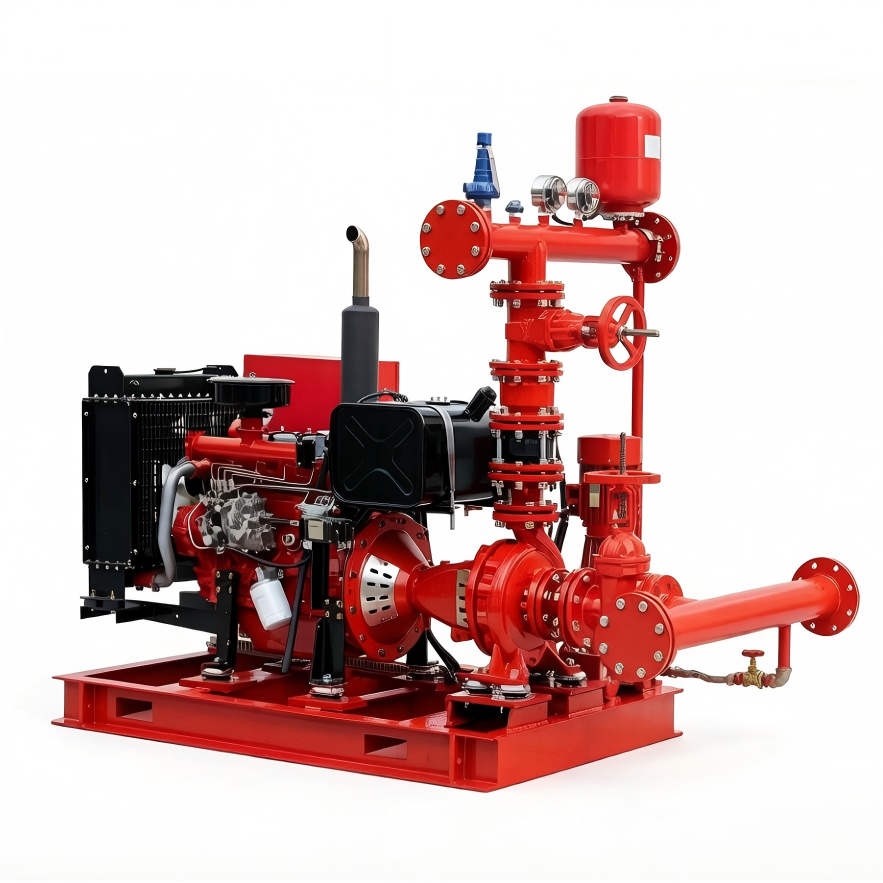
Water pump units are core equipment in water supply, drainage, and industrial production systems, and their safe and stable operation is crucial to ensuring work efficiency and avoiding safety accidents. Before operating a water pump unit, it is imperative to fully familiarize and understand its various performance indicators and operational principles. Notably, only professionals who master water pump working principles and mechanical operation procedures are permitted to operate the equipment; unauthorized personnel must be prohibited from touching or operating water pump units to eliminate potential safety hazards.
Professionals undertaking the operation must strictly abide by safety operation specifications, with pre-start preparation being a key link that cannot be ignored. Thorough preparation before manual startup lays a solid foundation for the smooth operation of the pump unit, effectively preventing failures caused by omissions and ensuring the safety of both personnel and equipment. The following are the key preparation items that must be completed before manually starting a water pump unit.
First, check the water source, water level, and the opening and closing status of the inlet and outlet valves. A stable water source and appropriate water level are prerequisites for the normal operation of the water pump; insufficient water level may cause idling, which damages the pump. Meanwhile, confirming that the inlet and outlet valves are in the correct opening and closing state ensures unobstructed water flow and avoids pressure buildup or water backflow during startup.
Second, inspect the instruments of the water pump control cabinet, such as the voltmeter and signal lights, to ensure their indications are normal. These instruments are important for monitoring the operating status of the pump unit; abnormal indications may indicate electrical faults, and the pump must not be started until the faults are resolved to prevent motor burnout or electrical accidents.
Third, check for air in the water pump unit and remove any if present. Air trapped inside the pump can cause cavitation, leading to abnormal vibration, noise, and reduced pumping efficiency. Timely air removal ensures the pump can fully fill with water and operate stably.
Fourth, rotate the water pump shaft three times to confirm it is flexible and free of obstructions. A stiff or obstructed shaft may be caused by component jamming or wear, and forced startup will further damage the pump. This check helps identify mechanical obstacles in advance.
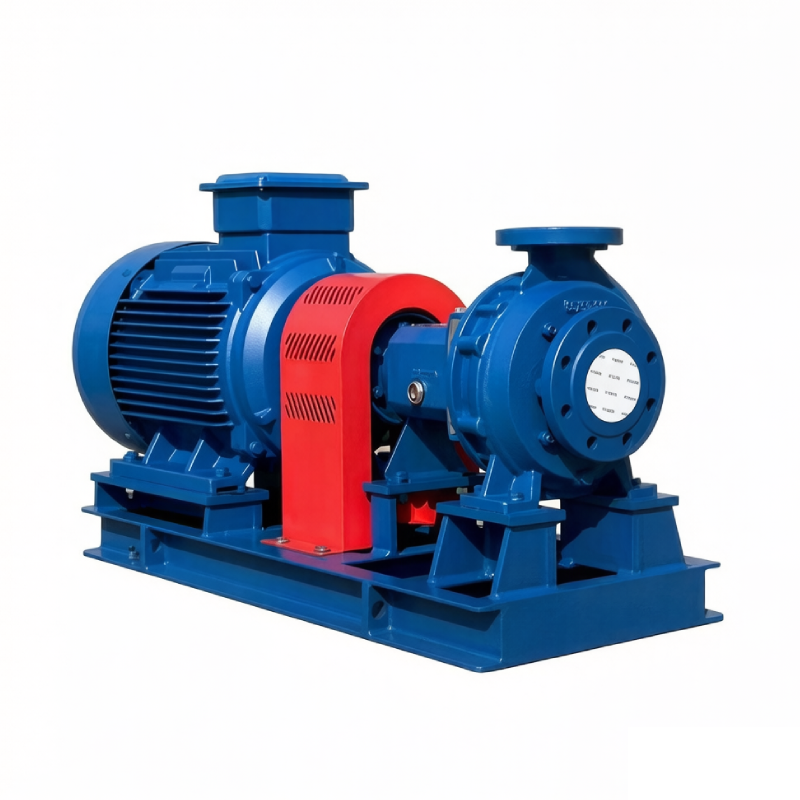
Fifth, turn the coupling by hand to check if it is balanced and light, and verify that the safety cover is properly installed. The coupling is a key part for power transmission; imbalance or jamming affects power transfer, while an improperly installed safety cover poses a risk of injury to operators from rotating parts.
Sixth, specially inspect the coupling for cracks and check if its connecting screws are loose. Cracks or loose screws in the coupling can lead to sudden failure during operation, resulting in equipment damage or safety accidents, so this item requires focused attention.
Seventh, check that the packing is sufficiently tight and ensure the packing gland is not skewed. The packing prevents water leakage from the pump shaft; insufficient tightness causes leakage, while a skewed gland affects sealing performance and may wear the shaft.
Eighth, check if the anchor bolts are loose. Loose anchor bolts cause severe vibration during pump operation, damaging the unit and affecting surrounding equipment. Ensuring the bolts are firmly tightened maintains the stability of the pump unit.
Ninth, do not place any sundries near the pump. Sundries may be drawn into the pump or interfere with operation, and they also hinder emergency handling in case of faults.
Finally, confirm that the direction of rotation of the pump is correct. Reverse rotation prevents the pump from delivering water normally and may damage internal components. This check ensures the pump operates in the correct direction to achieve the desired pumping effect.
In conclusion, strict adherence to pre-start preparation procedures and safety operation specifications is essential for the safe and efficient operation of water pump units. Professionals must treat each preparation item carefully, eliminating potential hazards before startup, thereby extending the service life of the equipment and ensuring operational safety.

 EN
EN


 Hot News