×
×
Water pumps are indispensable equipment in various fields, including agriculture, industry, and daily water supply. Their stable and safe operation directly affects work efficiency and operational safety. Conducting a comprehensive pre-operation inspection is the primary measure to prevent equipment failures, avoid safety accidents, and extend the service life of the pump. This article details the core inspection items that must be carried out before starting a water pump, providing a practical guide for operators.
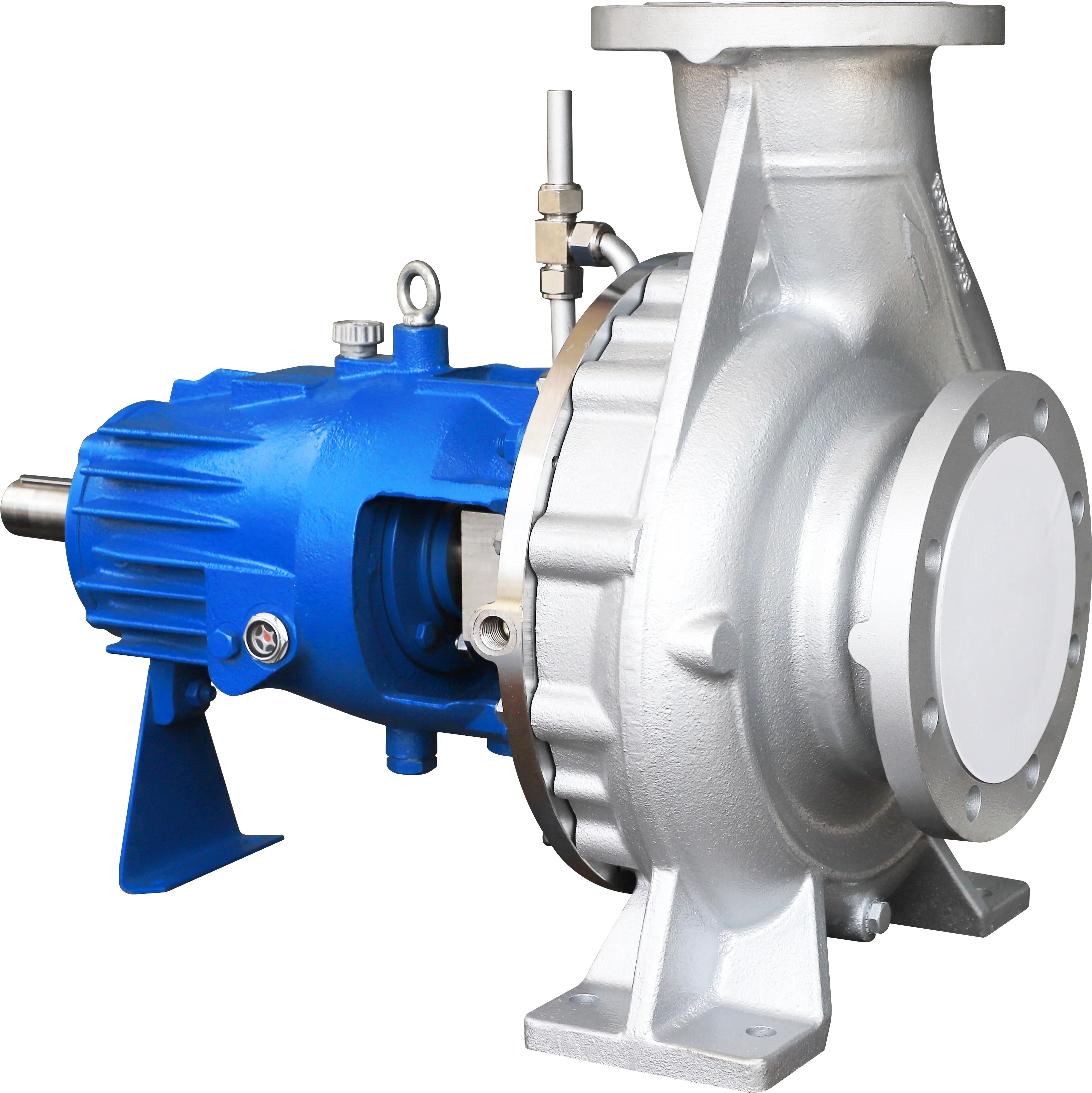
First and foremost, check whether the screws in each part of the pump are complete and free of looseness. Screws play a crucial role in fixing components, and any missing or loose screws can lead to severe consequences during operation. Loose screws may cause abnormal vibration, noise, or even component detachment, which not only damages the pump but also poses potential safety hazards. Operators should use appropriate tools to inspect screws on the pump body, base, and connecting parts one by one, ensuring each screw is properly tightened and intact. This basic check lays a solid foundation for the safe operation of the pump.
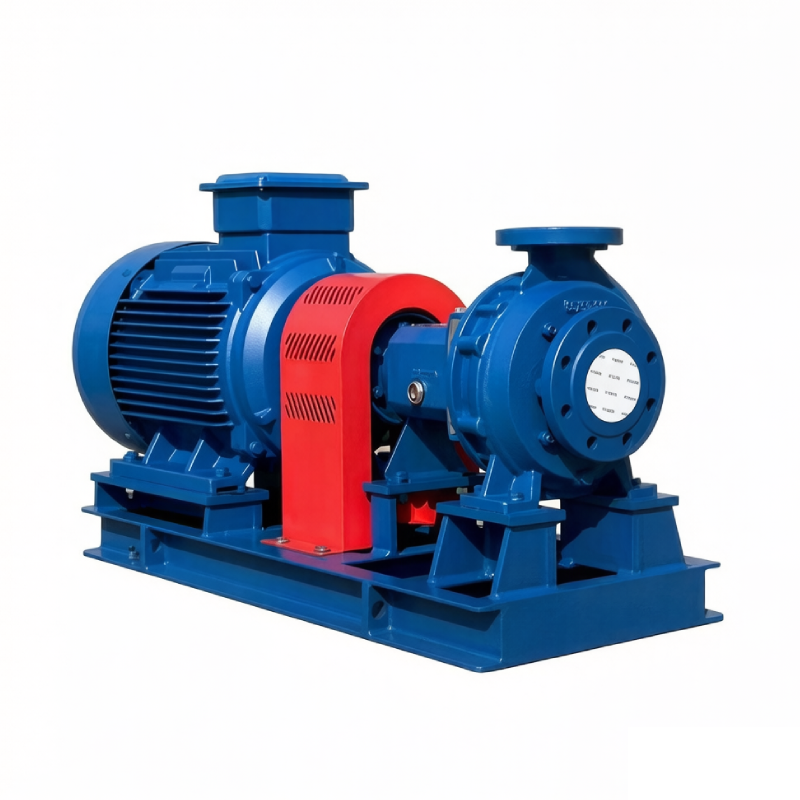
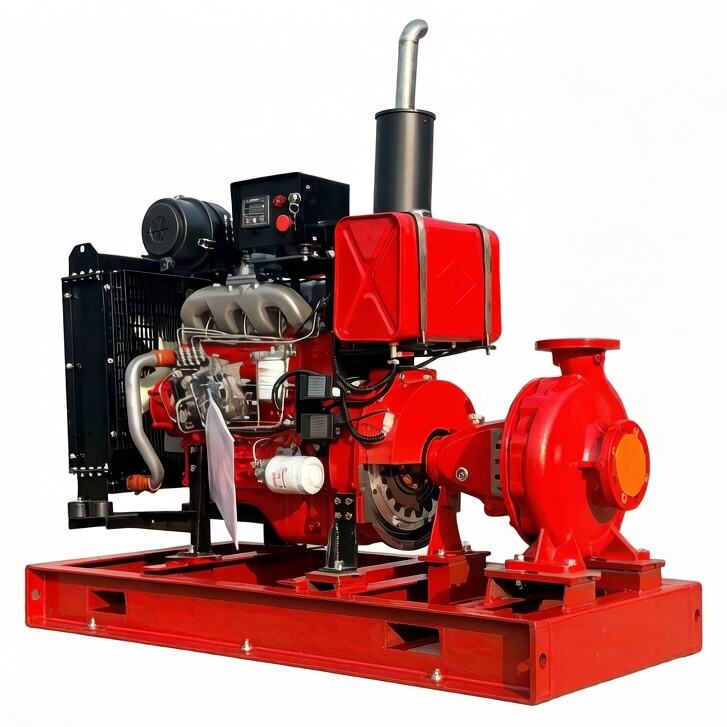
Secondly, verify the safety and effectiveness of the power machine, as it is the core driving force of the water pump. The inspection methods vary depending on the type of power machine. For pumps powered by diesel or gasoline engines, focus on checking the levels of cooling water and lubricating oil. Insufficient cooling water will cause the engine to overheat, while a lack of lubricating oil will increase friction between parts, leading to wear and tear or even seizing. Additionally, operators should start the engine briefly to confirm it runs smoothly without abnormal noise or leaks. For electric motor-powered pumps, inspect the wiring erection and connections to ensure they comply with safety standards. Check the reliability of the grounding wire, as a faulty ground can result in electric shock accidents. Also, examine if the motor is damp or if the circuit is intact, as moisture and damaged circuits are major causes of short circuits and electric shocks.
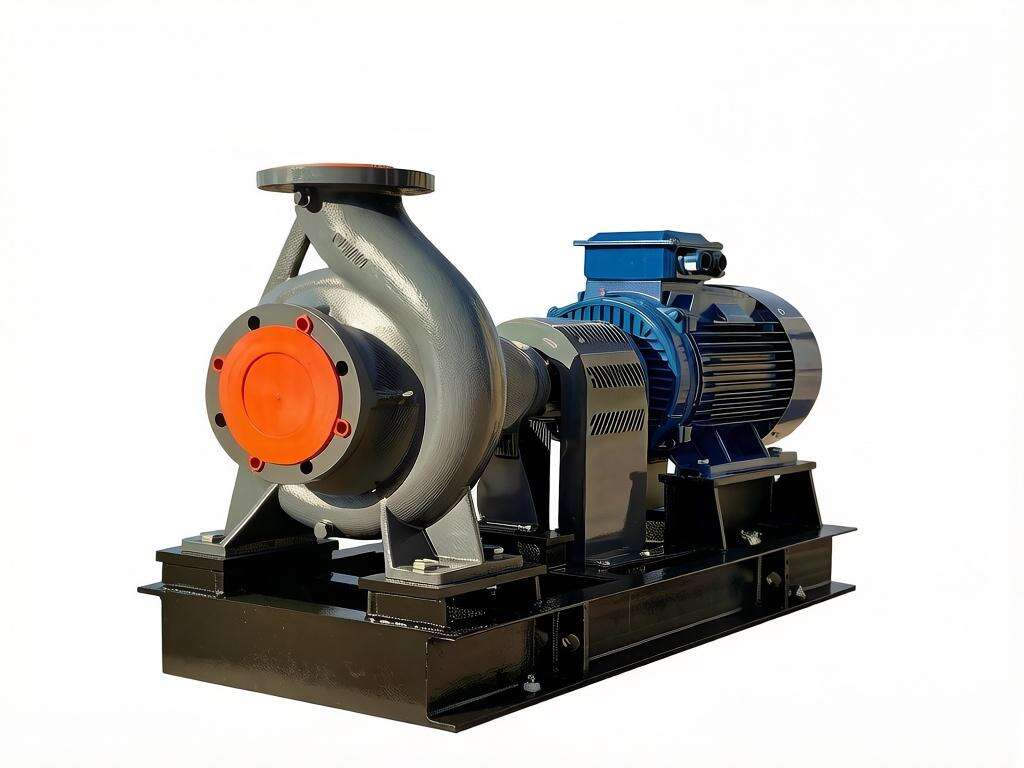
Thirdly, confirm that the power of the unit is matched and the installation is firm. Mismatched power between the power machine and the water pump will affect operational efficiency—excessive power leads to energy waste, while insufficient power causes the pump to fail to reach the required output and may burn out the power machine. Meanwhile, unstable installation will result in severe vibration during operation, damaging both the pump and the power machine. Operators should check if the base is fixed firmly to the ground and if there are any gaps or displacements, ensuring the entire unit is stable and secure before operation.
Finally, inspect the transmission connection between the power machine and the water pump. The transmission part is a key link for power transfer, and its safety directly relates to operational safety. Ensure the connection is standardized and secure, with no looseness or misalignment. Most importantly, confirm that protective nets and covers are installed at the transmission connection. These protective devices can effectively prevent accidental contact with rotating parts, avoiding injuries to operators and reducing the risk of safety accidents.
In conclusion, pre-operation inspections of water pumps are a critical step that cannot be ignored. By strictly following the above inspection items—checking screws, verifying power machines, ensuring power matching and firm installation, and inspecting transmission connections—operators can significantly reduce equipment failures and safety accidents, ensuring the water pump operates safely, stably, and efficiently. Regular and standardized inspections are the key to maximizing the performance and service life of water pump equipment.

 EN
EN


 Hot News