×
×
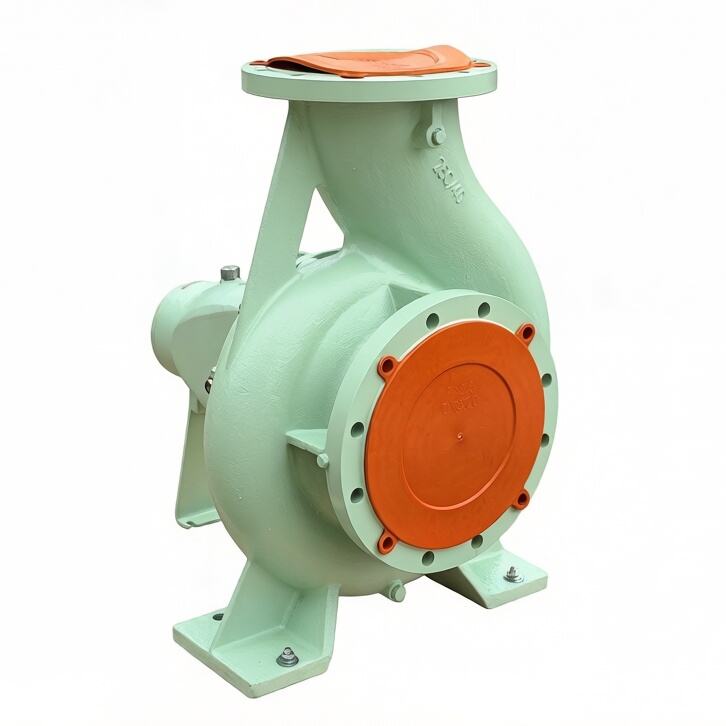
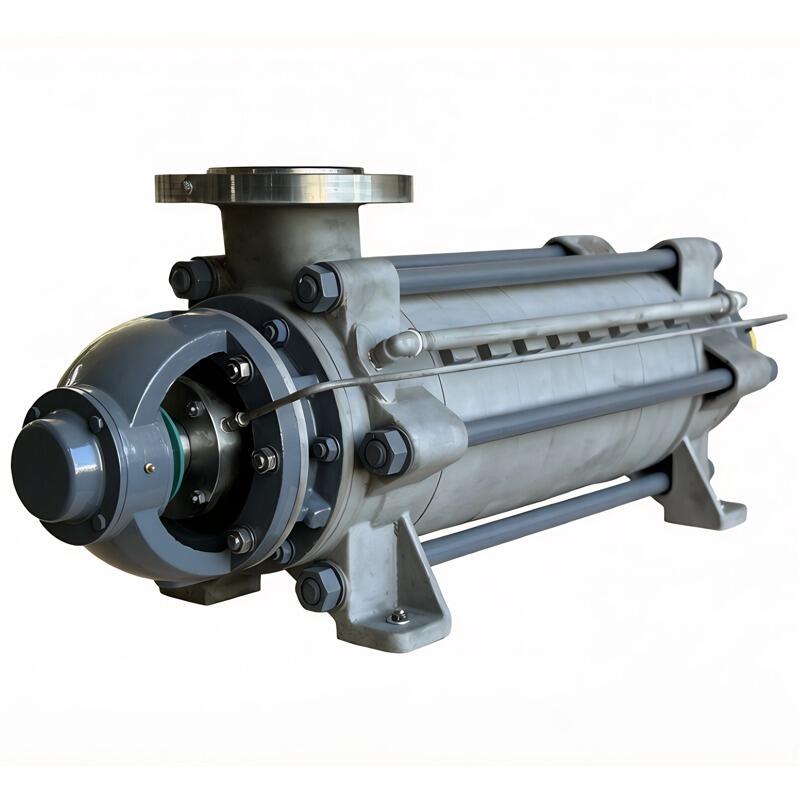
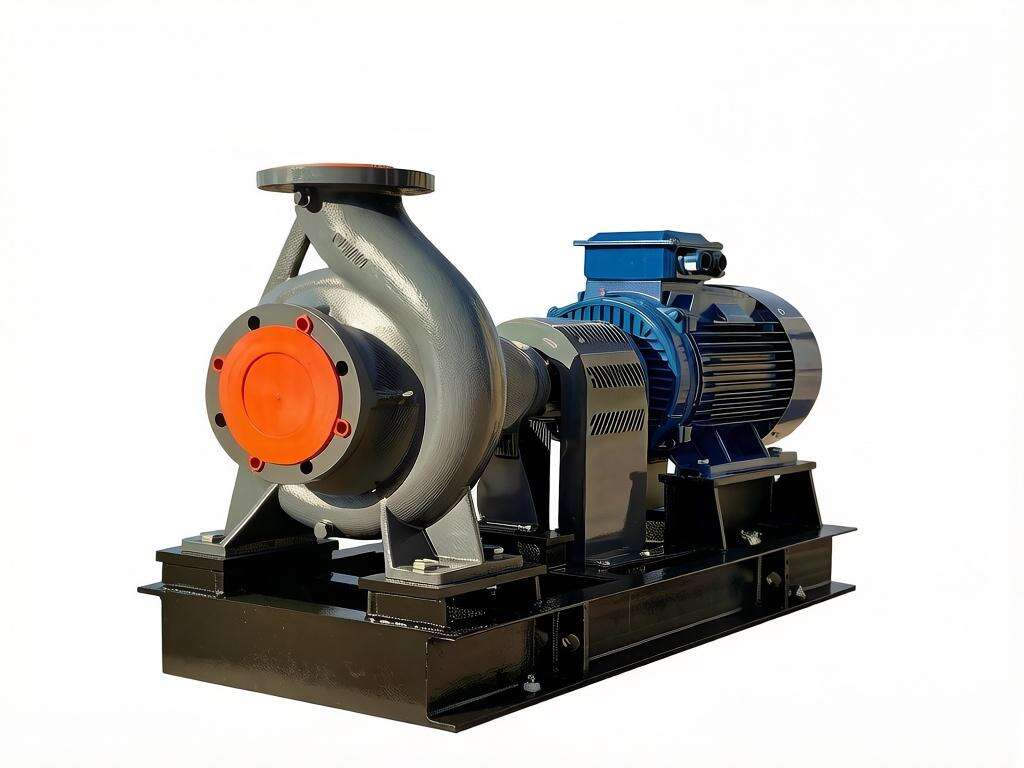
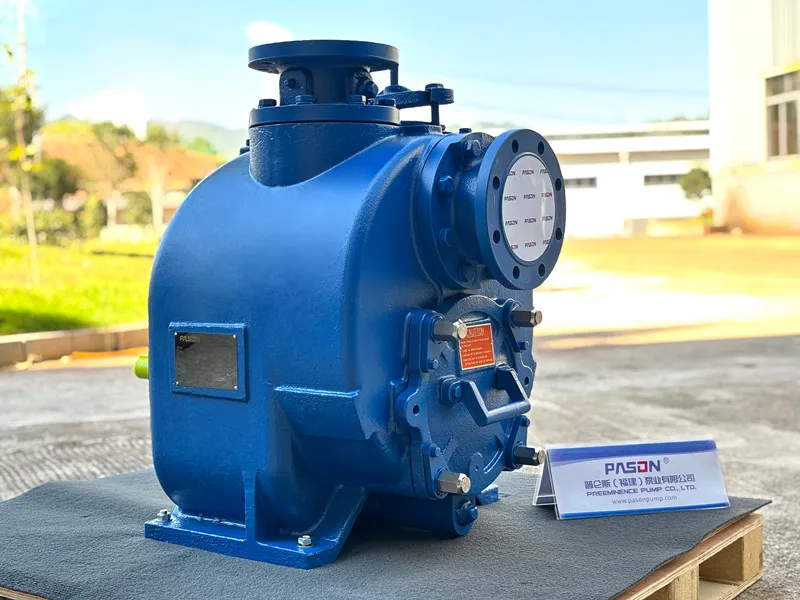
Fire pumps are essential core equipment in fire protection systems, playing a vital role in transferring liquid fire extinguishing agents and supporting fire suppression work. As specialized devices designed for pumping various liquids, they are not only critical for fire safety but also contribute to building non-leakage, pollution-free civilized workshops and factories, making them indispensable in modern industrial and civil fire protection infrastructure.
Primarily, fire pumps are engineered to transport liquid fire extinguishing agents such as water and foam solutions. They are commonly installed on fire trucks, fixed fire-extinguishing systems, and other fire-fighting facilities, providing stable and efficient liquid transfer capacity to ensure timely fire response. Beyond fire protection, their versatility extends to environmental protection, water treatment, and related sectors, where reliable liquid pumping is required. Whether in emergency fire scenarios or daily environmental management, fire pumps deliver consistent performance, underscoring their wide-ranging application value.
To better understand fire pumps, it is essential to explore their classification, which is typically based on two key criteria: purpose and composition. This classification helps users select the most suitable equipment for specific scenarios, optimizing operational efficiency and safety.
When classified by purpose, fire pumps cover a variety of types tailored to different working environments and needs. Unpowered fire pumps operate without an independent power source, relying on impeller rotation to transfer energy to liquids, making them suitable for scenarios where external power is unavailable. Vehicle fire pumps are mounted on fire truck chassis, enabling mobile fire suppression and adapting to on-site emergency needs. Marine fire pumps are designed for water-based environments, installed on ships, offshore platforms, and coastal facilities to withstand harsh marine conditions. Engineering fire pumps are widely used in construction projects, supporting fire hydrant systems, sprinkler fire-extinguishing systems, foam fire-extinguishing systems, and other on-site fire protection setups, ensuring comprehensive fire coverage in engineering sites.
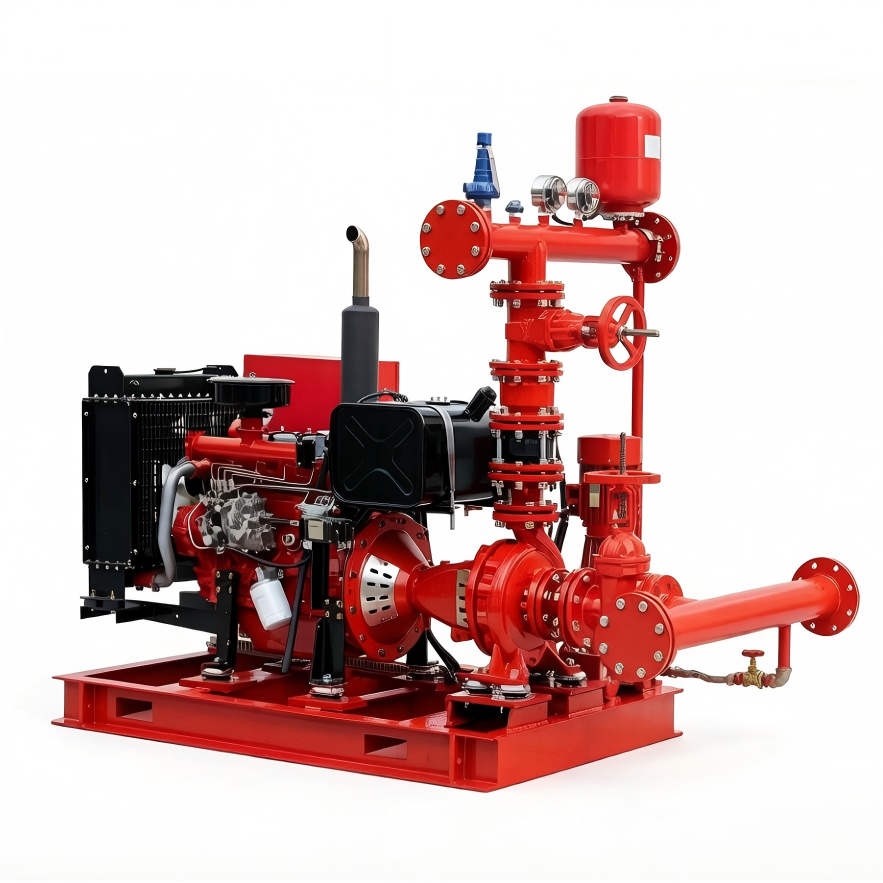
Classification by composition reflects the structural diversity of fire pumps, each designed for specific operational requirements. Integrated fire pump units consist of a fire pump, power source, control cabinet, and auxiliary devices, offering a one-stop solution for fire protection systems with centralized control and management. Water supply fire pumps focus on stable water supply for fire suppression, while stabilized fire pumps maintain consistent pressure to ensure reliable performance. Deep well fire pumps are used to extract water from deep wells, ideal for areas where surface water is insufficient. Submersible fire pumps operate underwater, suitable for submerged fire scenarios or deep liquid transfer tasks. Ordinary fire pumps meet basic pumping needs for general fire protection scenarios, while hand-carried motorized fire pump sets are lightweight and portable, assembled with small engines for easy transportation and emergency use in remote areas or temporary sites.
In summary, fire pumps combine practical functionality with diverse classifications, adapting to the unique demands of different industries and scenarios. Their role in fire safety, environmental protection, and water treatment highlights their irreplaceable value. By understanding their functions, applications, and classification criteria, users can make informed selections, ensuring that fire pumps effectively support safety work and contribute to the construction of secure, environmentally friendly workplaces and communities. As fire protection requirements continue to evolve, fire pumps will remain a cornerstone of modern safety infrastructure, with ongoing advancements enhancing their performance and versatility.

 EN
EN


 Hot News